“`html
Guided Meditation Tips: Your Soulful Path to Inner Peace
In our bustling modern world, finding moments of stillness can feel like a luxurious escape. Guided meditation offers a beautiful, accessible pathway to that much-needed peace, providing a gentle voice to lead you back to your own inner sanctuary. Whether you’re a complete beginner or looking to deepen your existing practice, these guided meditation tips are designed to help you cultivate a richer, more profound experience.
At SpiritualitySource.com, we believe that spiritual practice is for everyone, and guided meditation is a wonderful way to connect with your truest self. It’s not about emptying your mind, but rather about befriending it, one gentle breath at a time. Let’s explore how you can make the most of this transformative practice.
Before You Begin: Setting the Stage for Serenity
The beauty of guided meditation is its simplicity, but a little preparation can significantly enhance your experience. Think of it as creating a warm, inviting space for your soul to relax.
Choose Your Sanctuary: A Place of Peace
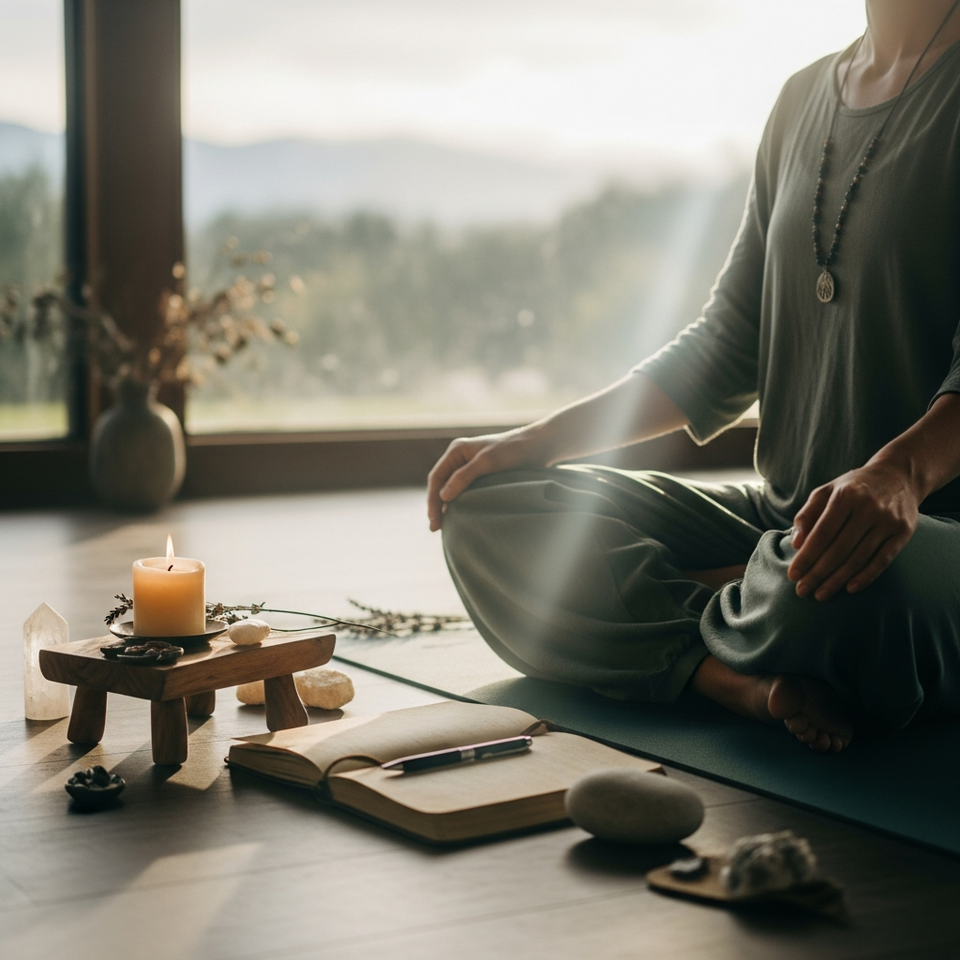
While you can meditate almost anywhere, having a designated spot can signal to your mind and body that it’s time to unwind. This doesn’t need to be elaborate; a quiet corner in your home, a favorite chair, or even a spot in your garden can become your meditation haven. The key is minimal distractions. Turn off notifications, let housemates know you need a few moments of quiet, and aim for a space where you feel safe and unhurried.
Comfort is Key: Position Yourself Mindfully
Your physical comfort is paramount. You can sit on a cushion, a chair with back support, or even lie down if you prefer. The goal is to find a posture that allows you to be both alert and relaxed. If sitting, try to keep your spine relatively straight but not rigid, allowing your shoulders to soften. Your hands can rest gently in your lap or on your knees. If lying down, place a pillow under your head and knees for added support. Experiment to find what feels right for your body.
Set an Intention (Optional but Powerful)
Before pressing play, take a moment to consider what you hope to gain from this session. Do you seek calm, clarity, stress relief, or perhaps a deeper connection to your inner wisdom? A simple intention like, “May I find a moment of peace,” or “May I be present,” can gently focus your mind and imbue your practice with purpose. Remember, it’s not a demand, but a gentle guiding whisper for your soul.
During the Experience: Embracing the Journey Within
Once you’ve set the stage, it’s time to surrender to the guidance. Here’s how to navigate the heart of your guided meditation practice.
Finding the Right Guide & Style: Your Perfect Match
There’s a vast ocean of guided meditations available online, from apps to YouTube channels and spiritual websites like ours. Don’t be afraid to explore! Different guides have different voices, pacing, and approaches. Some focus on breath, others on body scans, visualization, or affirmations. Listen to a few different ones until you find a voice that resonates with you and a style that feels natural and comforting. Your preference might even change over time, and that’s perfectly normal.
Listen Actively, But Don’t Overthink
The guide is there to offer gentle prompts, inviting you to shift your attention, notice your breath, or visualize a scene. Listen to their words, and allow them to lead you. However, avoid trying too hard or overthinking their instructions. Guided meditation is about allowing, not striving. If a particular instruction doesn’t resonate in the moment, simply bring your awareness back to your breath or the feeling of your body.
Gentle Awareness, Not Forced Focus
It’s a common misconception that meditation means clearing your mind of all thoughts. This isn’t the goal. Instead, guided meditation teaches you to observe your thoughts and feelings without judgment. When your mind wanders (and it will!), simply notice where it went, and then gently, compassionately, bring your attention back to the guide’s voice or your breath. Think of it like training a puppy – it wanders, you gently call it back. Each time you do this, you strengthen your muscle of awareness.
Embrace the Body Scan & Breath: Anchors of Presence
Many guided meditations utilize body scans and breath awareness. The body scan invites you to bring your attention to different parts of your body, noticing sensations without judgment. The breath is your constant anchor. Pay attention to its rhythm, its coolness on the inhale, its warmth on the exhale. These tools help ground you in the present moment, pulling you away from past regrets or future worries.
It’s Okay to Wander: Be Kind to Your Mind
Your mind is designed to think, plan, and wander. Don’t get frustrated if you find yourself lost in thought during a guided meditation. This is a perfectly normal part of the process. The “aha!” moment often comes not from never wandering, but from noticing you’ve wandered and gently, kindly, redirecting your attention. Each return is a small victory for your mindful awareness.
Be Patient and Kind to Yourself: There’s No “Perfect” Meditation
There’s no such thing as a “perfect” meditation session. Some days you might feel deeply relaxed, others restless. Some days you might feel nothing at all. All of these experiences are valid. The true practice lies in showing up, consistently and compassionately, regardless of the outcome. Trust the process, and know that every moment you dedicate to your well-being is a gift.
After the Session: Carrying the Calm into Your Day
The benefits of guided meditation extend far beyond the time you spend with your eyes closed. How you transition can help integrate that peaceful feeling into your daily life.
Allow for a Gentle Transition: Don’t Rush Back
When the guided meditation concludes, resist the urge to immediately jump back into your to-do list. Take a few extra moments. Wiggle your fingers and toes, gently stretch, and slowly open your eyes. Allow yourself to savor the lingering feelings of calm, spaciousness, or clarity. This gentle re-entry helps to ground the experience within you.
Journal Your Experience (Optional but Illuminating)
For those who enjoy reflection, spending a few minutes journaling after your session can be incredibly insightful. What did you notice? How do you feel? Were there any insights or sensations that stood out? There’s no right or wrong way to do this; simply allow thoughts and feelings to flow onto the page. This helps to integrate the learning and awareness from your meditation.
Integrate Into Daily Life: Mindful Moments
The true power of meditation isn’t just in the formal practice, but in how it influences the rest of your day. Try to carry a bit of that mindful awareness into everyday tasks. Notice the taste of your food, the sensation of walking, the sound of a loved one’s voice. These small moments of presence build upon your meditation practice, creating a more mindful and peaceful existence.
Common Questions & Encouragement
What if I fall asleep?
It happens, especially when you’re truly relaxing! If falling asleep is a regular occurrence, try meditating in a more upright position, or ensure you’re not overly tired when you begin. But generally, if your body needs rest, it’s okay to let it take it. It’s still a form of deep relaxation.
What if my mind is too busy?
This is perhaps the most common challenge, and it’s completely normal. Your mind isn’t broken; it’s just doing its job. The practice isn’t to stop thoughts, but to change your relationship with them. Each time you notice your mind wandering and gently guide it back, you are strengthening your mindful awareness. Keep practicing, and you’ll notice subtle shifts over time.
How often should I meditate?
Consistency is more important than duration. Even 5-10 minutes a day can make a significant difference. Find a schedule that feels sustainable for you. Just like physical exercise, regular practice yields the best results, gradually rewiring your brain for more calm and clarity.
Guided meditation is a profound gift you can give yourself – a gentle invitation to return home to your true nature. With these guided meditation tips, we hope you feel empowered to embark on or deepen your journey. Embrace the process with kindness, curiosity, and an open heart, and discover the wellspring of peace that resides within you.
Happy meditating!
“`